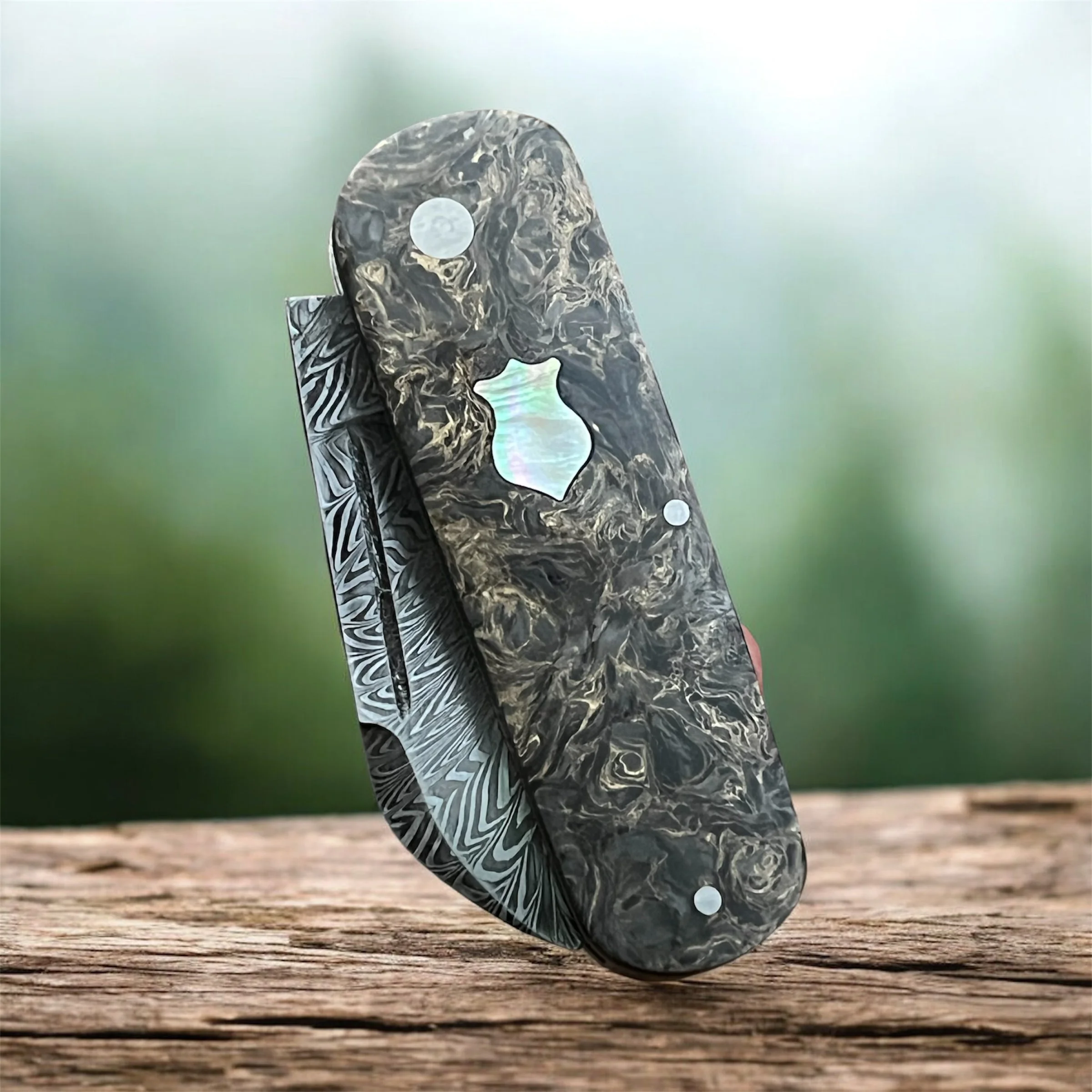
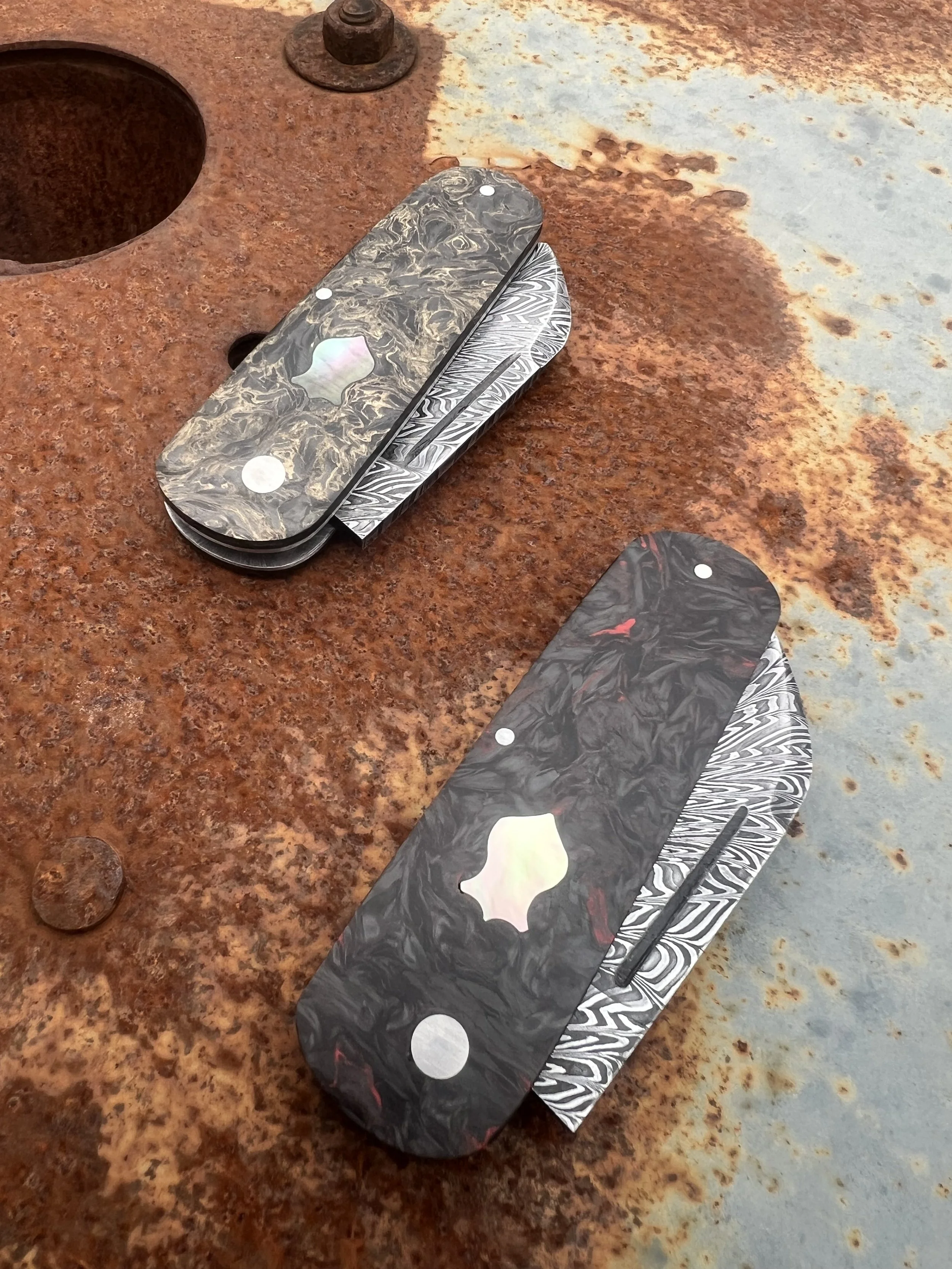
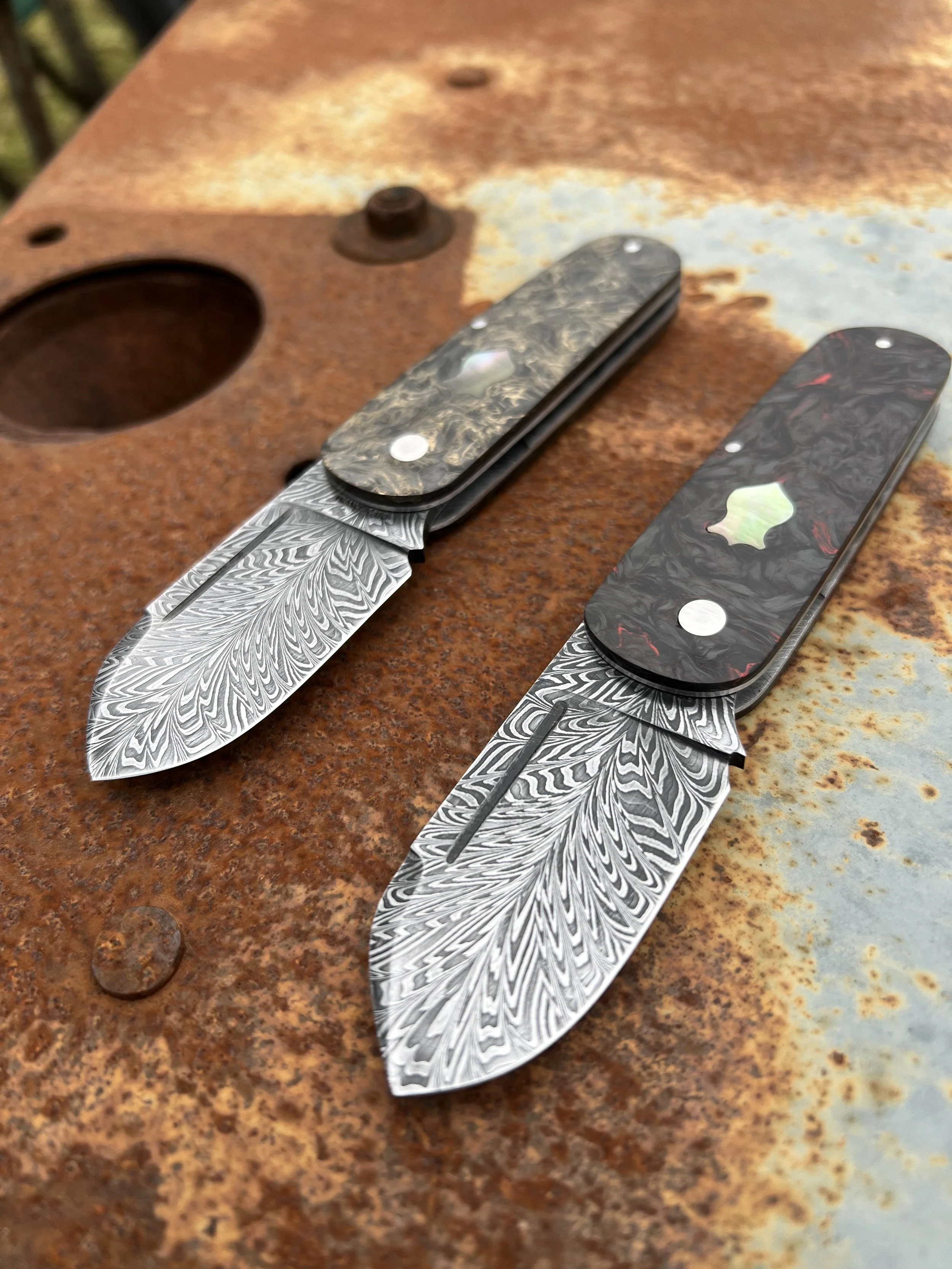
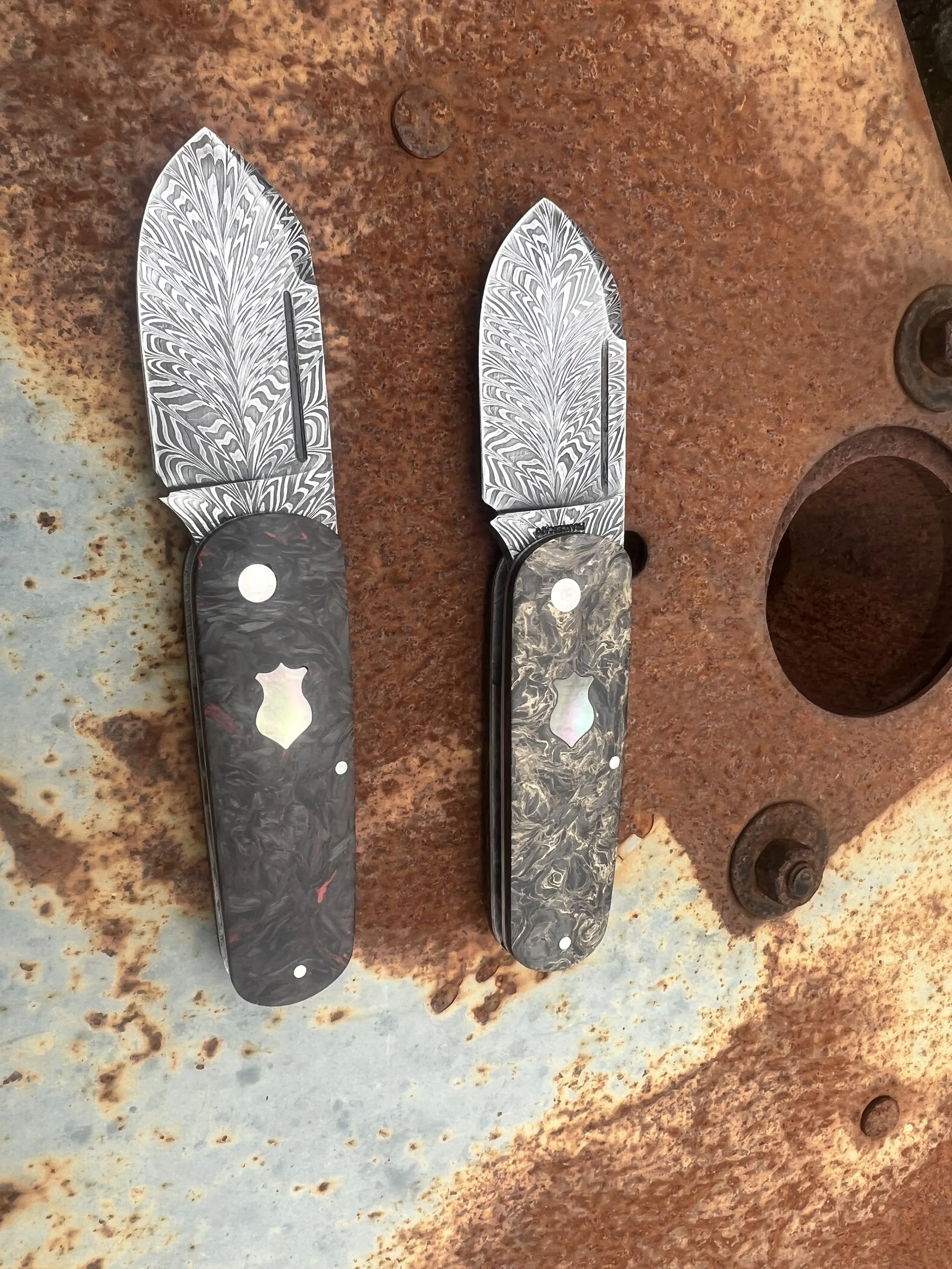
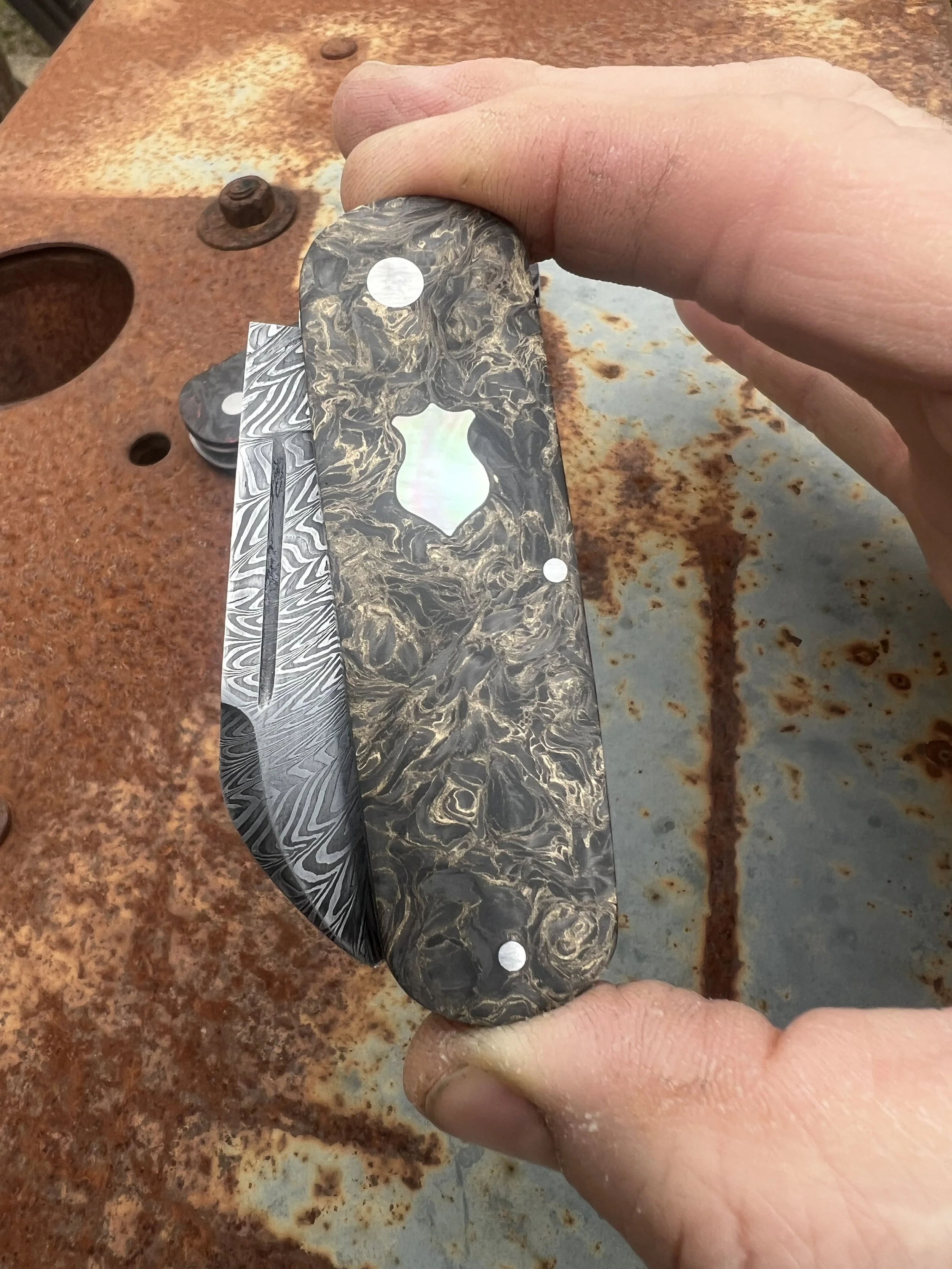
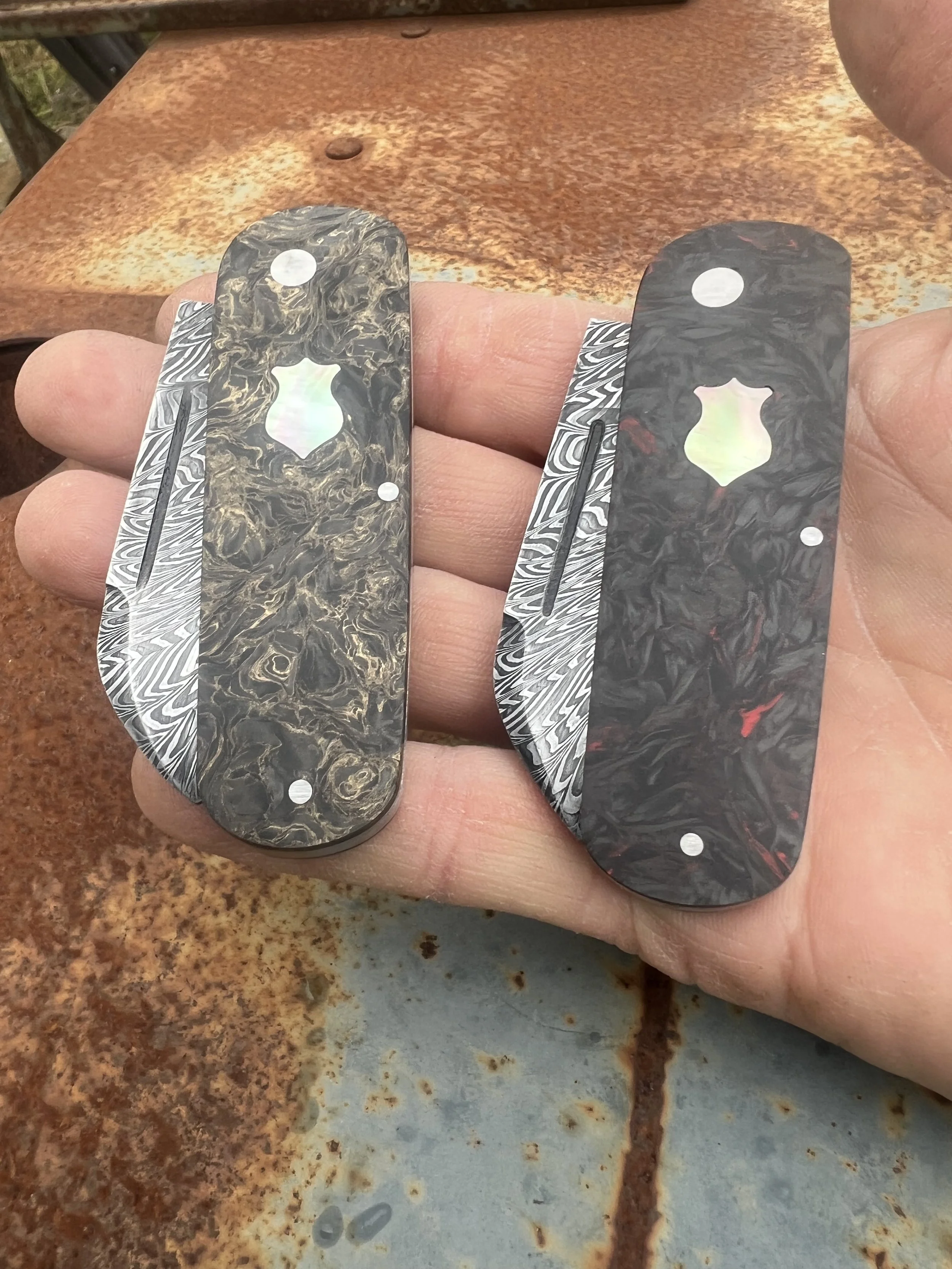
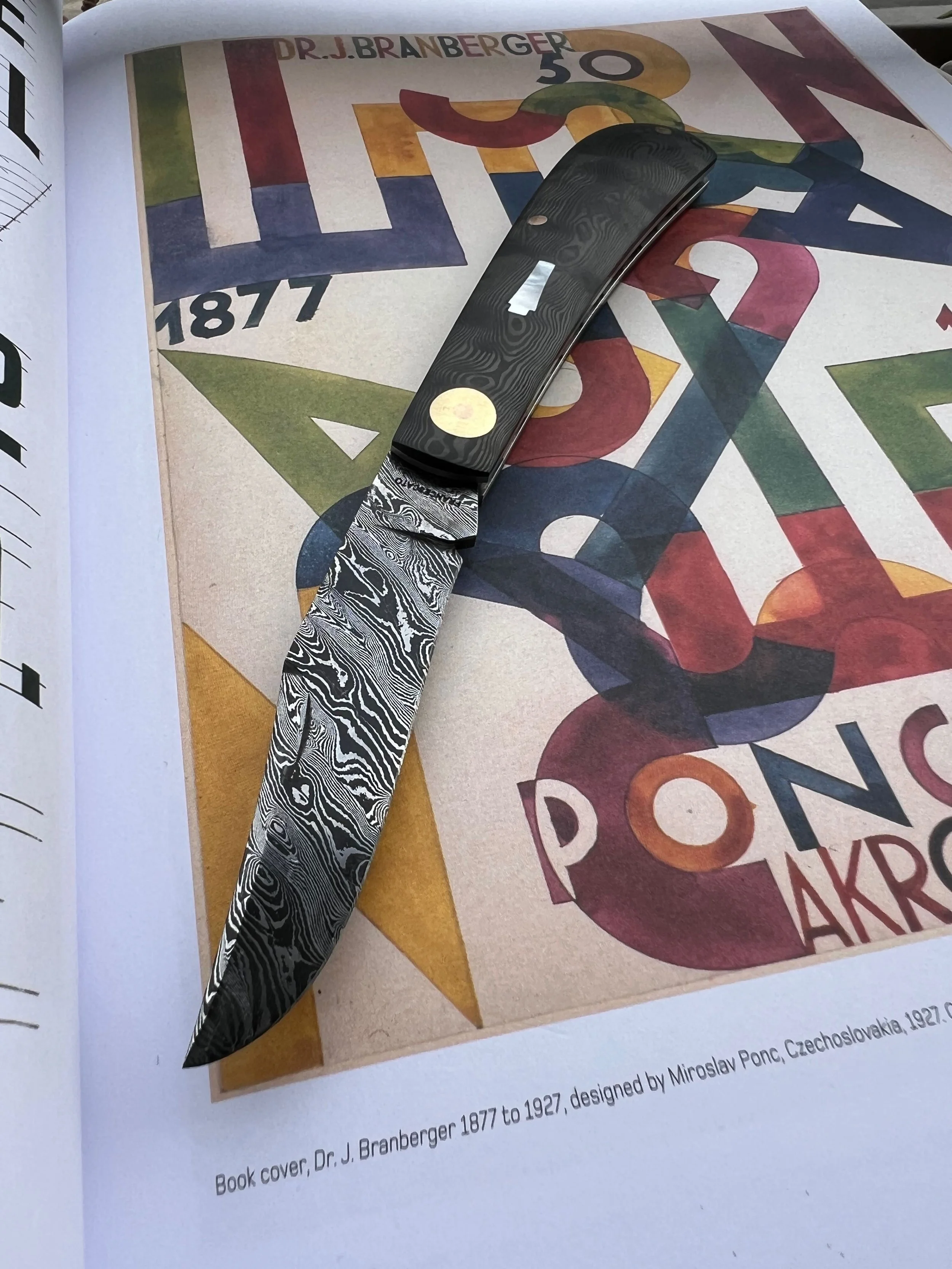
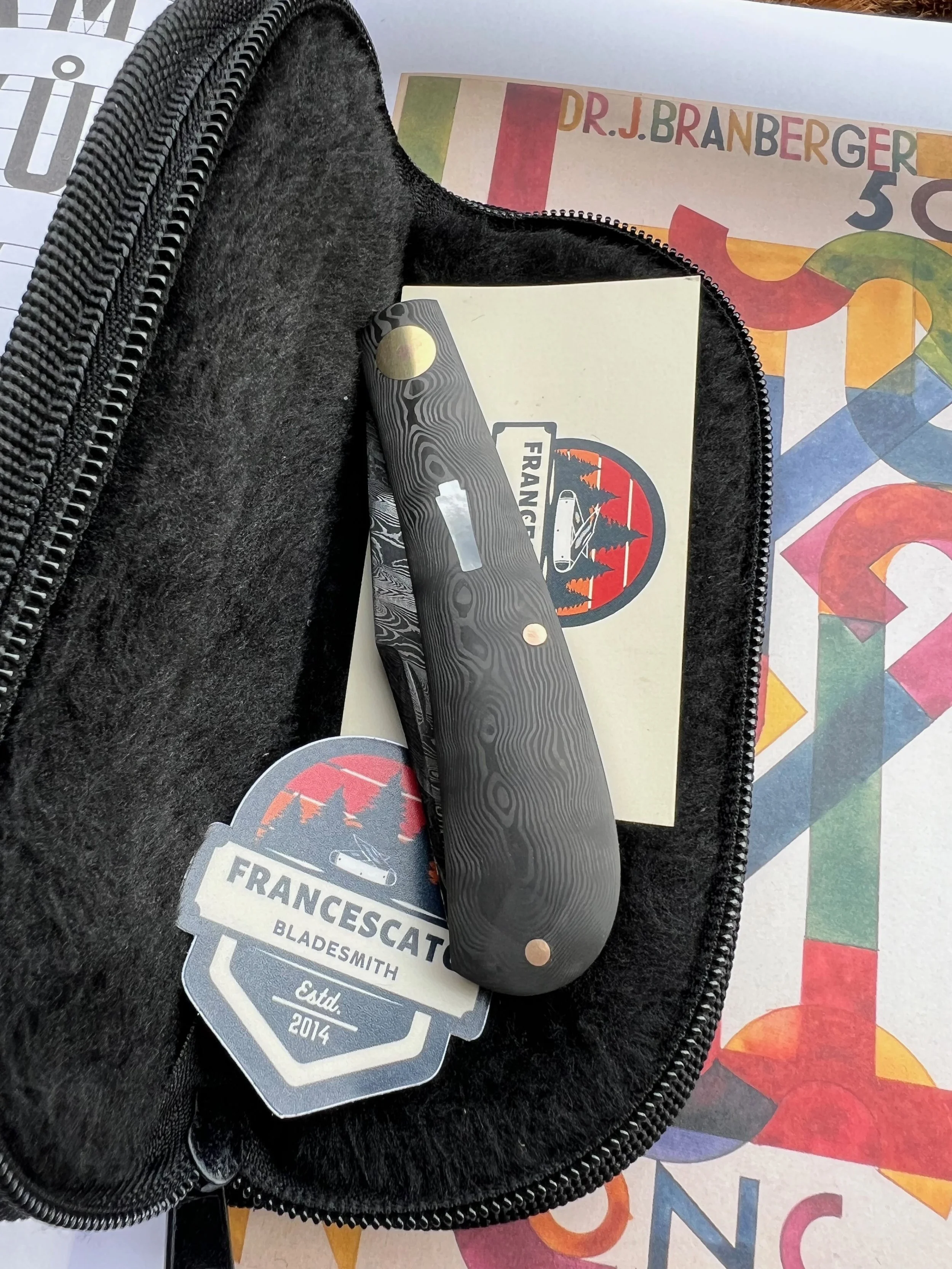
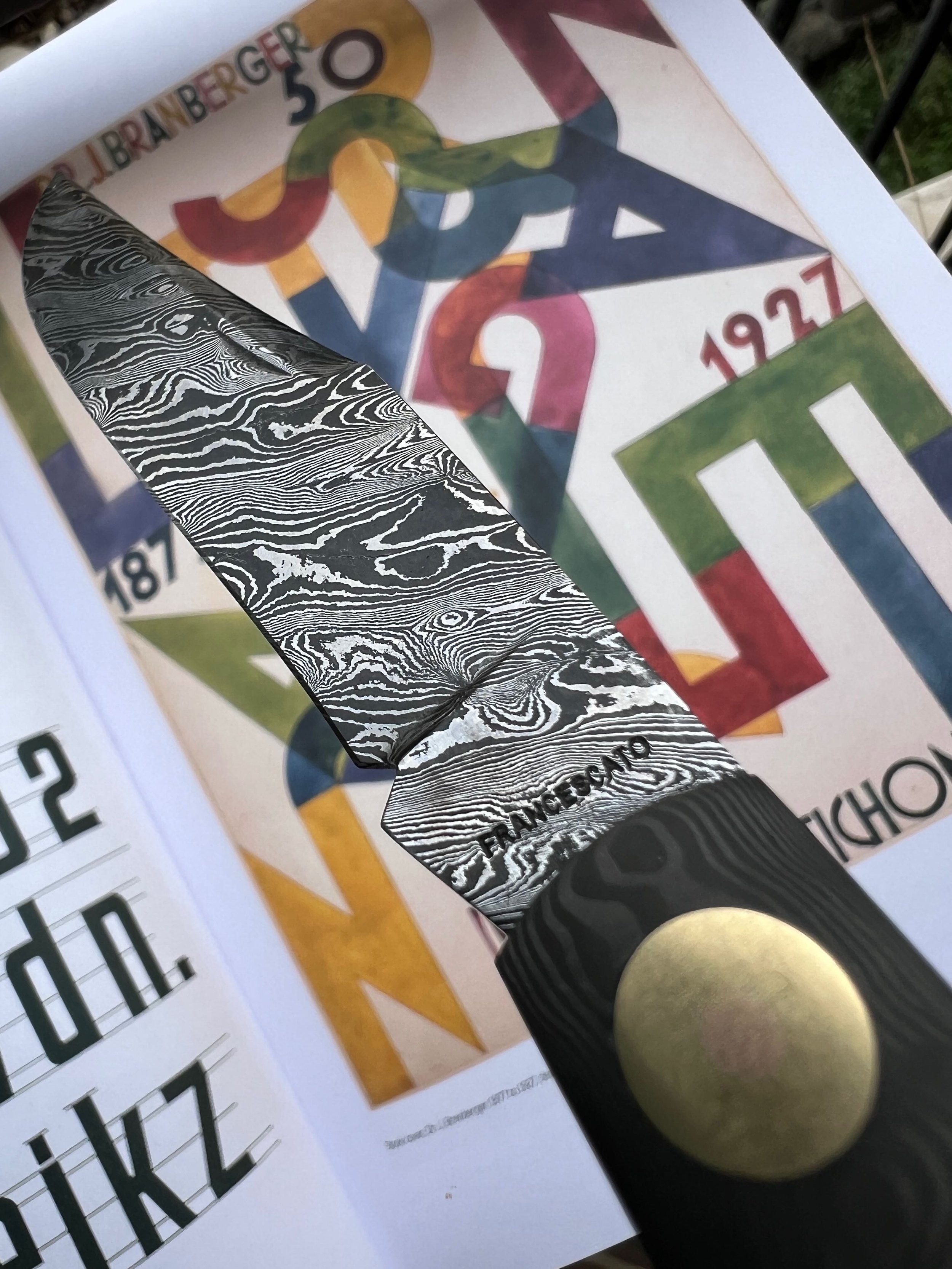
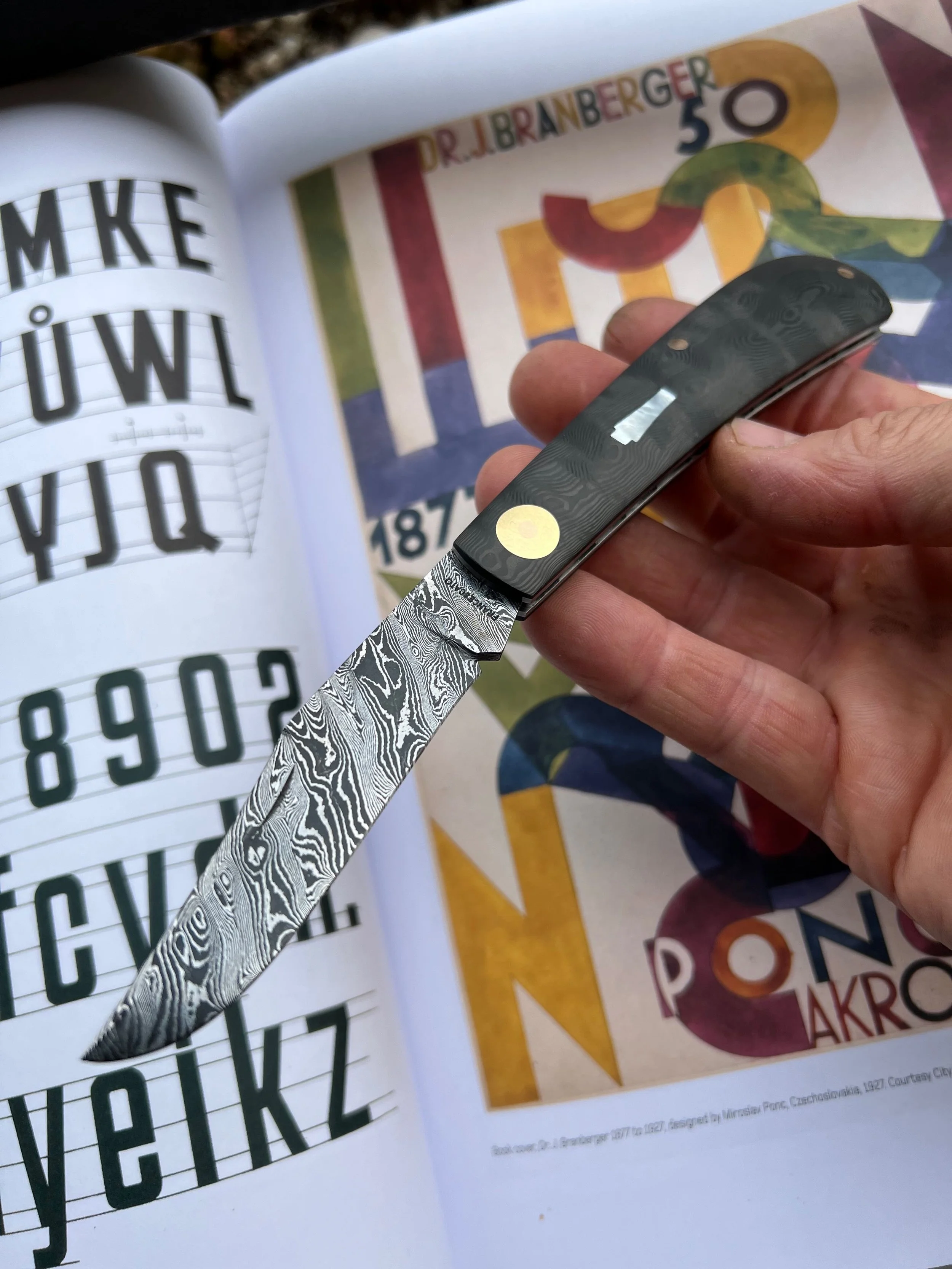
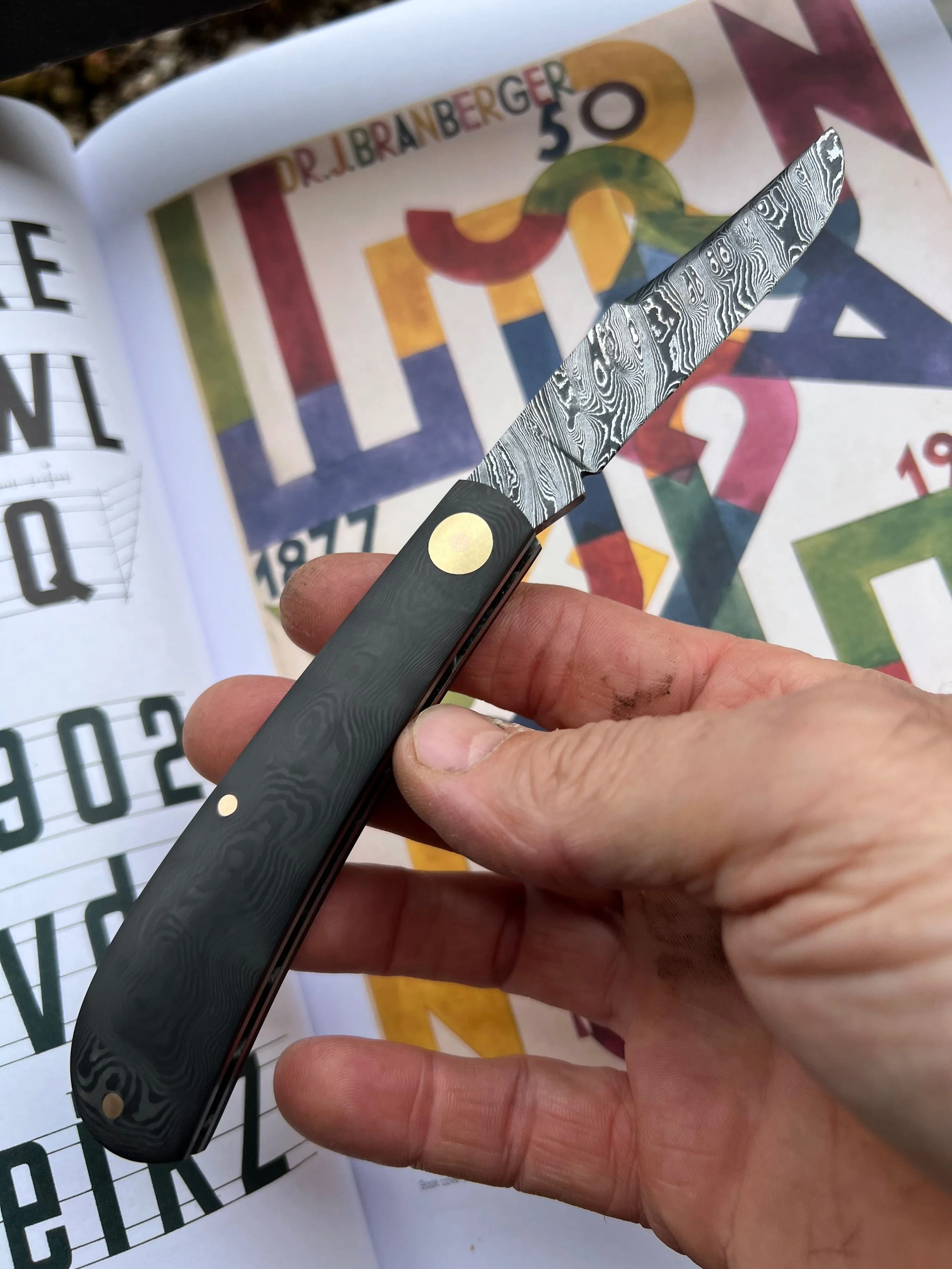
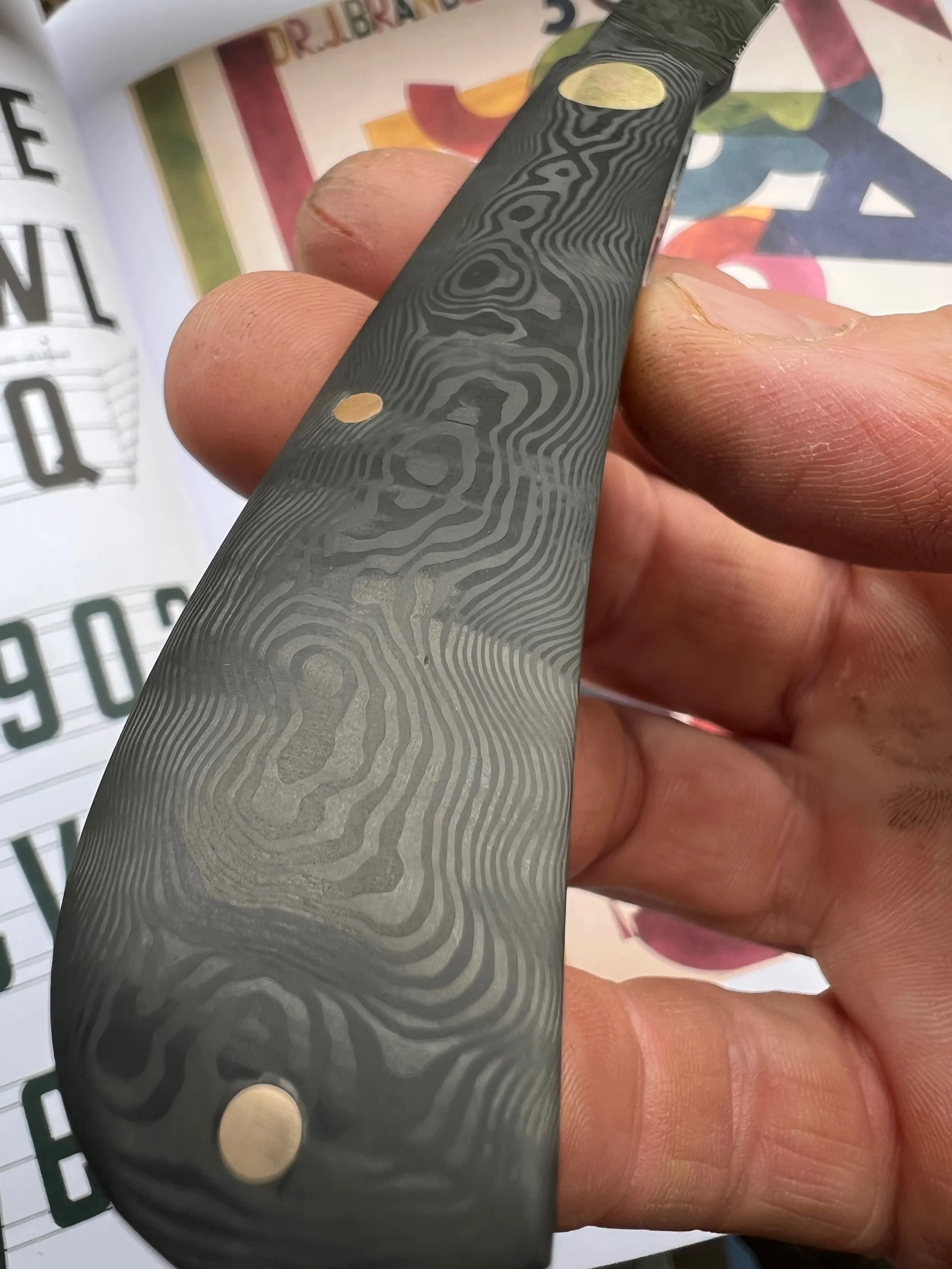
Yes, I enjoy crafting mini Barlow knives 😃 — here’s another one! O2 blade and spring in 416 stainless, soldered bolsters, and mammoth ivory scales. Approximately 3 inches closed.
O2 is an air-hardening, high-carbon tool steel valued for its toughness, edge-holding, and ease of sharpening — qualities that make it a popular choice for custom and handmade knives.
Key characteristics
Composition: High carbon (~1.0–1.1%) with relatively low alloy content; notable elements include carbon and moderate oxygen affinity during processing, but O2 is not stainless. It typically contains chromium around 0.5–1.0% and vanadium in small amounts, which help toughness and wear resistance.
Hardness potential: O2 responds well to heat treatment and can reach high hardness (typically in the high 58s to low 60s HRC when properly quenched and tempered), giving excellent edge retention for a carbon tool steel.
Toughness: Excellent fracture and chipping resistance compared with many high-alloy, high-hardness steels. That makes O2 a good choice for robust, utilitarian blades that must survive impact, prying, or heavy use.
Sharpening: Sharpening is relatively straightforward. Because it’s a high-carbon steel without heavy carbide-forming elements, it takes a keen, polished edge and is forgiving for resharpening in the field or at home.
Corrosion resistance: Low. O2 is not stainless — it will patina and can rust if not cared for. Regular cleaning, drying, and oiling are recommended, especially in humid or marine environments.
Grind and edge geometry: Performs best with slightly more robust edge geometry for durability, but it also accepts finer edges when hardness and temper allow. Because of its toughness, O2 allows functional thin edges while retaining resistance to chipping.
Heat treatment: Air-hardening properties simplify heat treatment compared with oil-quenched tool steels. Precise control of austenitizing temperature and temper cycles is important to balance hardness and toughness. When properly heat treated by a skilled bladesmith, O2 delivers a predictable, high-performing result.
Practical use cases
Work knives, bushcraft, and outdoor blades where toughness and ease of resharpening matter more than stainless corrosion resistance.
Kitchen knives where a superior cutting edge and ease of re‑polishing are desired, provided the user maintains the blade to prevent staining.
Utility and tactical knives intended for demanding, hard-use tasks.
Care recommendations
Keep the blade dry and clean after use. Wipe off acids (lemon, food juices) promptly.
Apply a light coat of mineral oil or blade-specific oil for storage, especially in humid climates.
Remove surface rust with a fine abrasive or rust eraser and re-oil; O2 responds well to restoration.
Stropping and routine sharpening will restore an excellent cutting edge quickly.
Summary O2 is an outstanding choice when you want a tough, easy-to-sharpen blade that achieves high hardness and excellent edge performance. It requires routine care to prevent corrosion but rewards that attention with durability, reparability, and a superb cutting feel — qualities we value and bring out in every Francescato Bladesmith O2 blade.
Yes, I enjoy crafting mini Barlow knives 😃 — here’s another one! O2 blade and spring in 416 stainless, soldered bolsters, and mammoth ivory scales. Approximately 3 inches closed.
O2 is an air-hardening, high-carbon tool steel valued for its toughness, edge-holding, and ease of sharpening — qualities that make it a popular choice for custom and handmade knives.
Key characteristics
Composition: High carbon (~1.0–1.1%) with relatively low alloy content; notable elements include carbon and moderate oxygen affinity during processing, but O2 is not stainless. It typically contains chromium around 0.5–1.0% and vanadium in small amounts, which help toughness and wear resistance.
Hardness potential: O2 responds well to heat treatment and can reach high hardness (typically in the high 58s to low 60s HRC when properly quenched and tempered), giving excellent edge retention for a carbon tool steel.
Toughness: Excellent fracture and chipping resistance compared with many high-alloy, high-hardness steels. That makes O2 a good choice for robust, utilitarian blades that must survive impact, prying, or heavy use.
Sharpening: Sharpening is relatively straightforward. Because it’s a high-carbon steel without heavy carbide-forming elements, it takes a keen, polished edge and is forgiving for resharpening in the field or at home.
Corrosion resistance: Low. O2 is not stainless — it will patina and can rust if not cared for. Regular cleaning, drying, and oiling are recommended, especially in humid or marine environments.
Grind and edge geometry: Performs best with slightly more robust edge geometry for durability, but it also accepts finer edges when hardness and temper allow. Because of its toughness, O2 allows functional thin edges while retaining resistance to chipping.
Heat treatment: Air-hardening properties simplify heat treatment compared with oil-quenched tool steels. Precise control of austenitizing temperature and temper cycles is important to balance hardness and toughness. When properly heat treated by a skilled bladesmith, O2 delivers a predictable, high-performing result.
Practical use cases
Work knives, bushcraft, and outdoor blades where toughness and ease of resharpening matter more than stainless corrosion resistance.
Kitchen knives where a superior cutting edge and ease of re‑polishing are desired, provided the user maintains the blade to prevent staining.
Utility and tactical knives intended for demanding, hard-use tasks.
Care recommendations
Keep the blade dry and clean after use. Wipe off acids (lemon, food juices) promptly.
Apply a light coat of mineral oil or blade-specific oil for storage, especially in humid climates.
Remove surface rust with a fine abrasive or rust eraser and re-oil; O2 responds well to restoration.
Stropping and routine sharpening will restore an excellent cutting edge quickly.
Summary O2 is an outstanding choice when you want a tough, easy-to-sharpen blade that achieves high hardness and excellent edge performance. It requires routine care to prevent corrosion but rewards that attention with durability, reparability, and a superb cutting feel — qualities we value and bring out in every Francescato Bladesmith O2 blade.
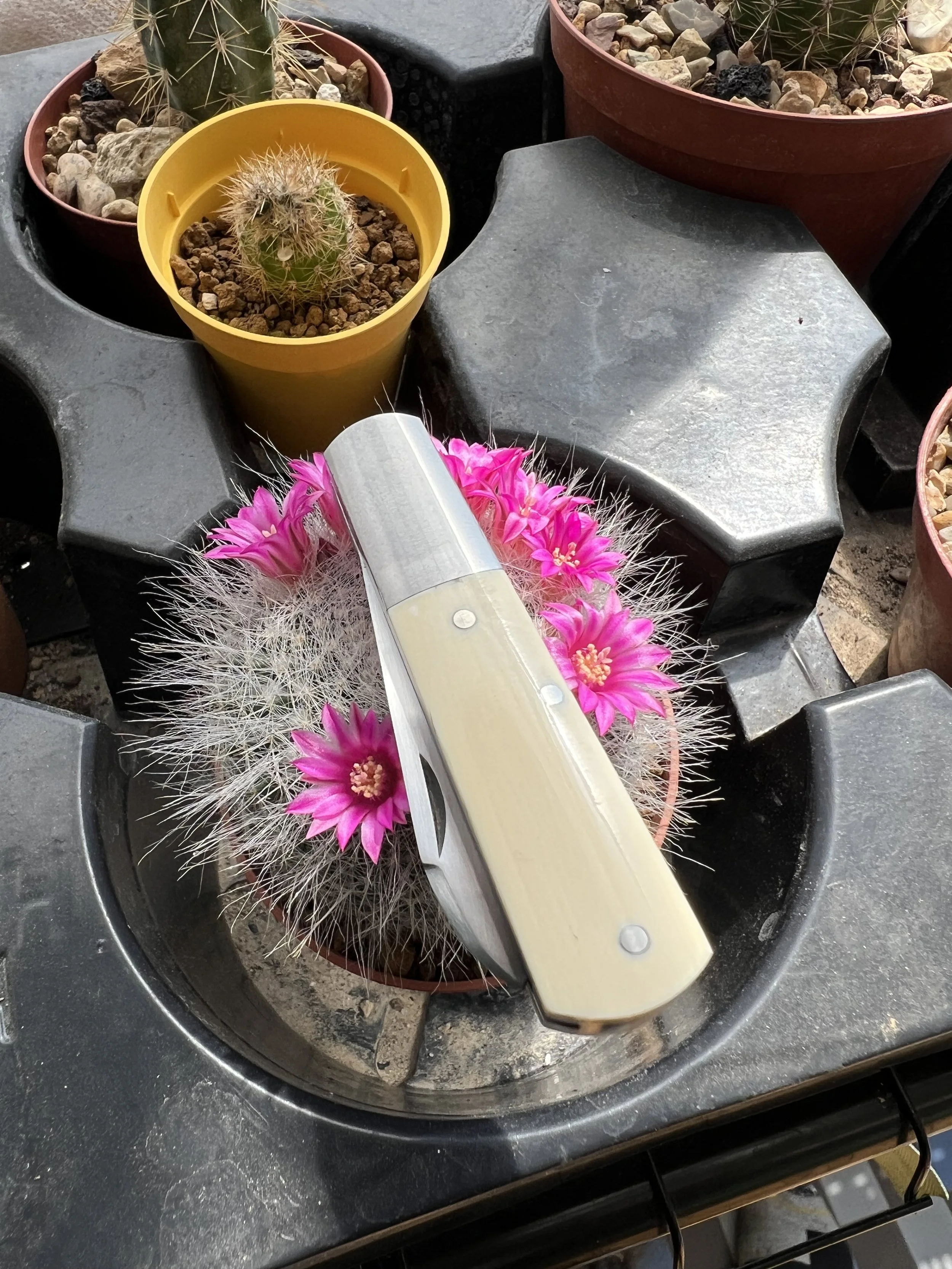 Image 1 of 9
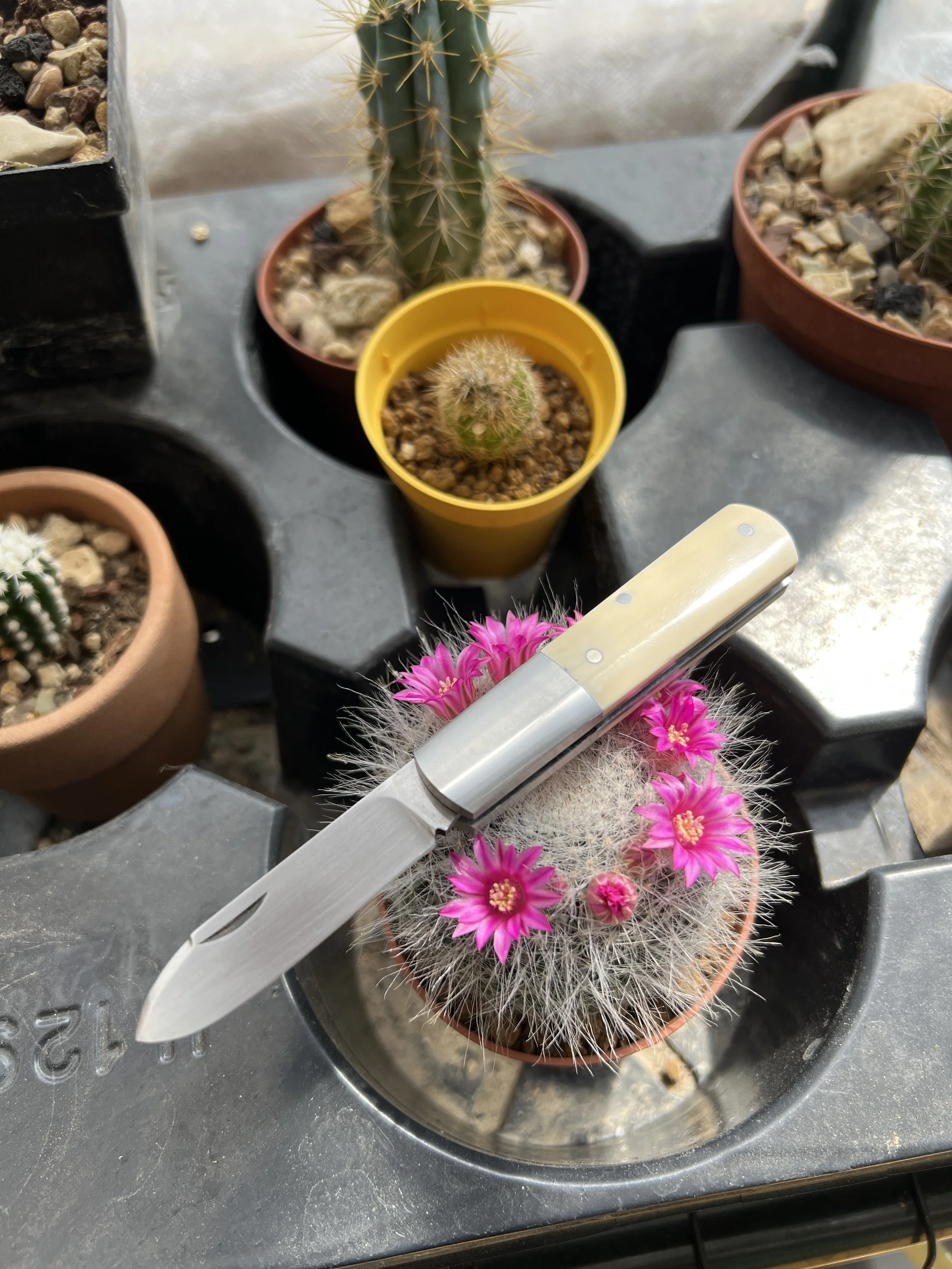 Image 2 of 9
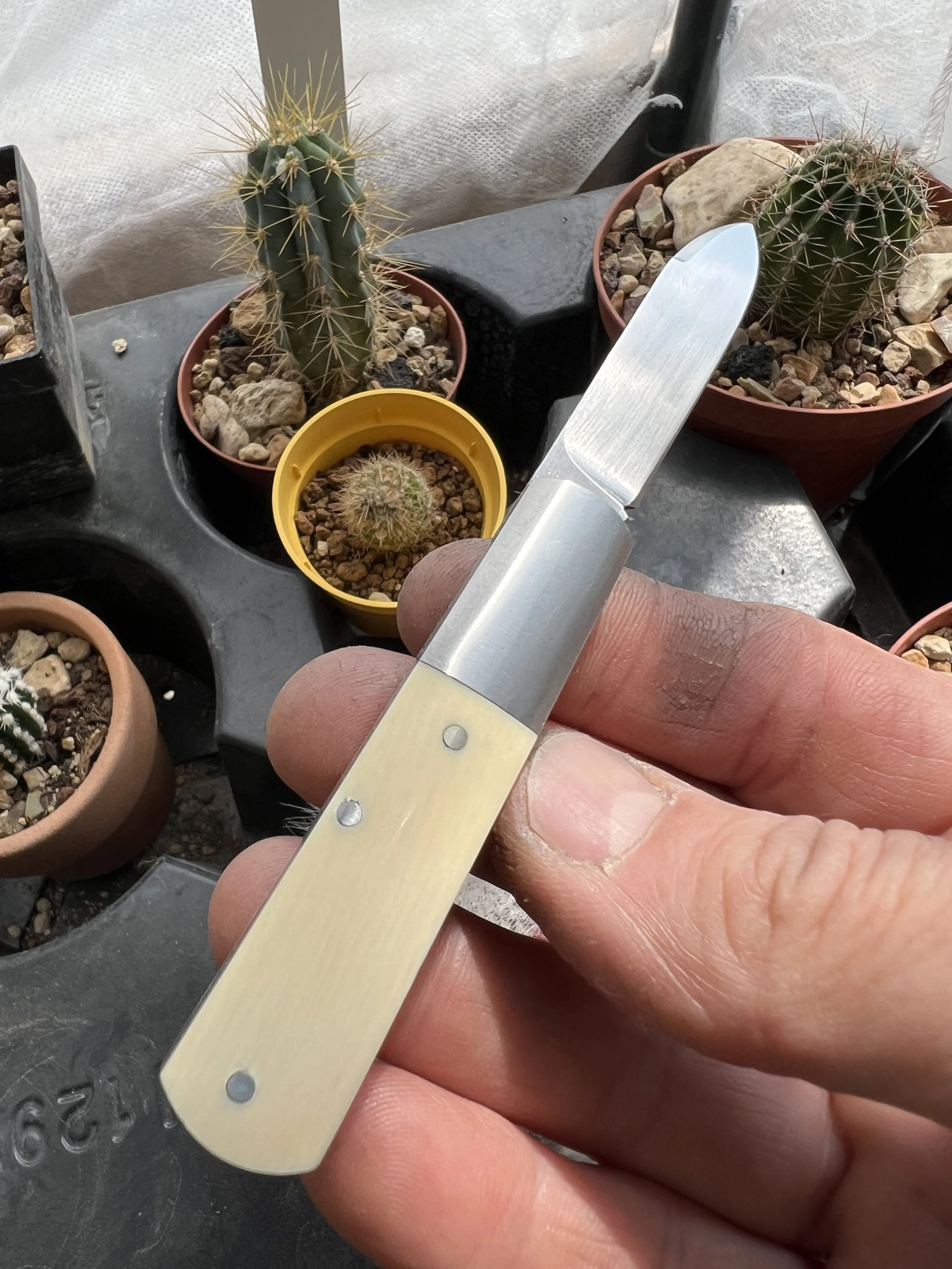 Image 3 of 9
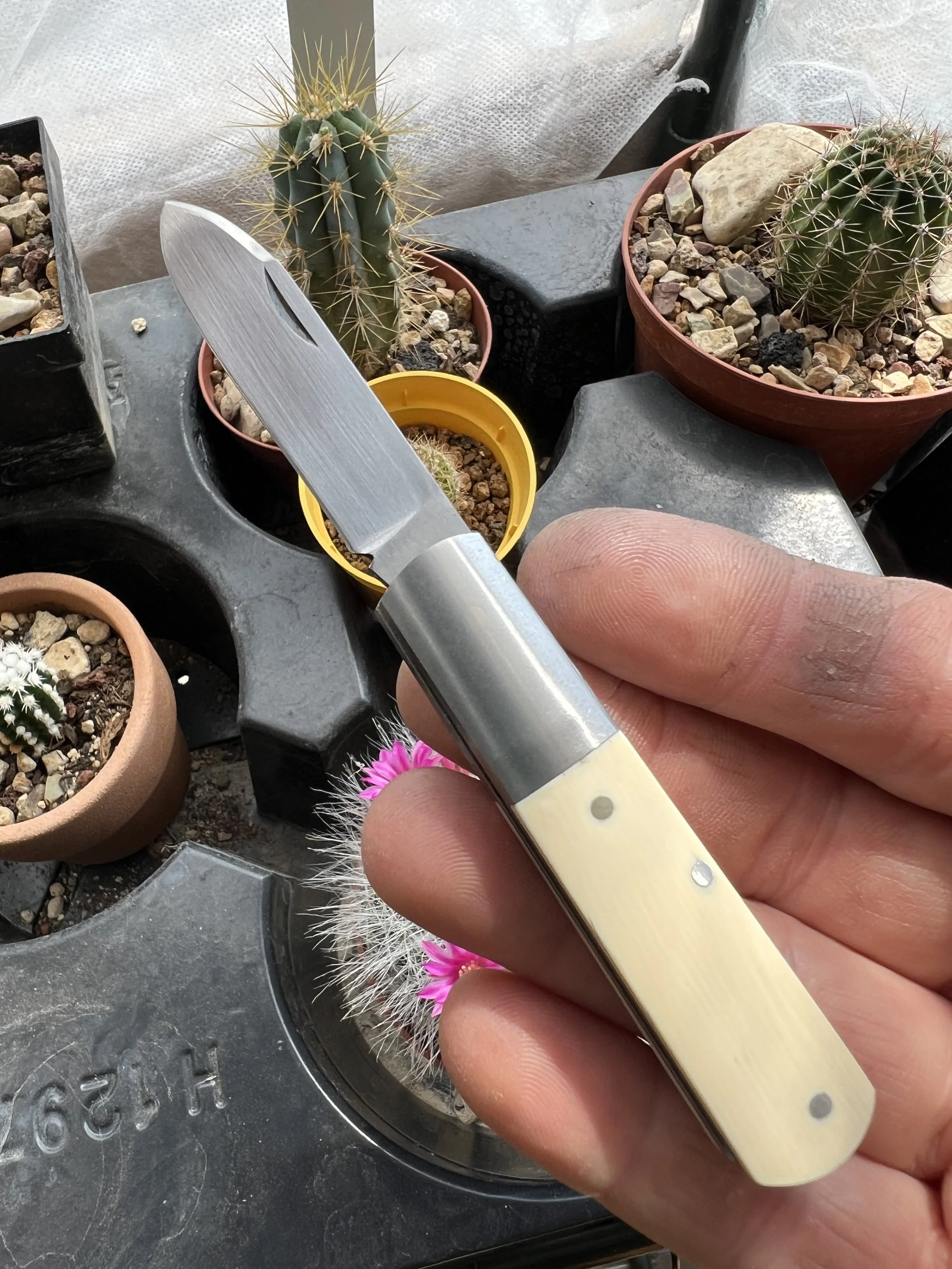 Image 4 of 9
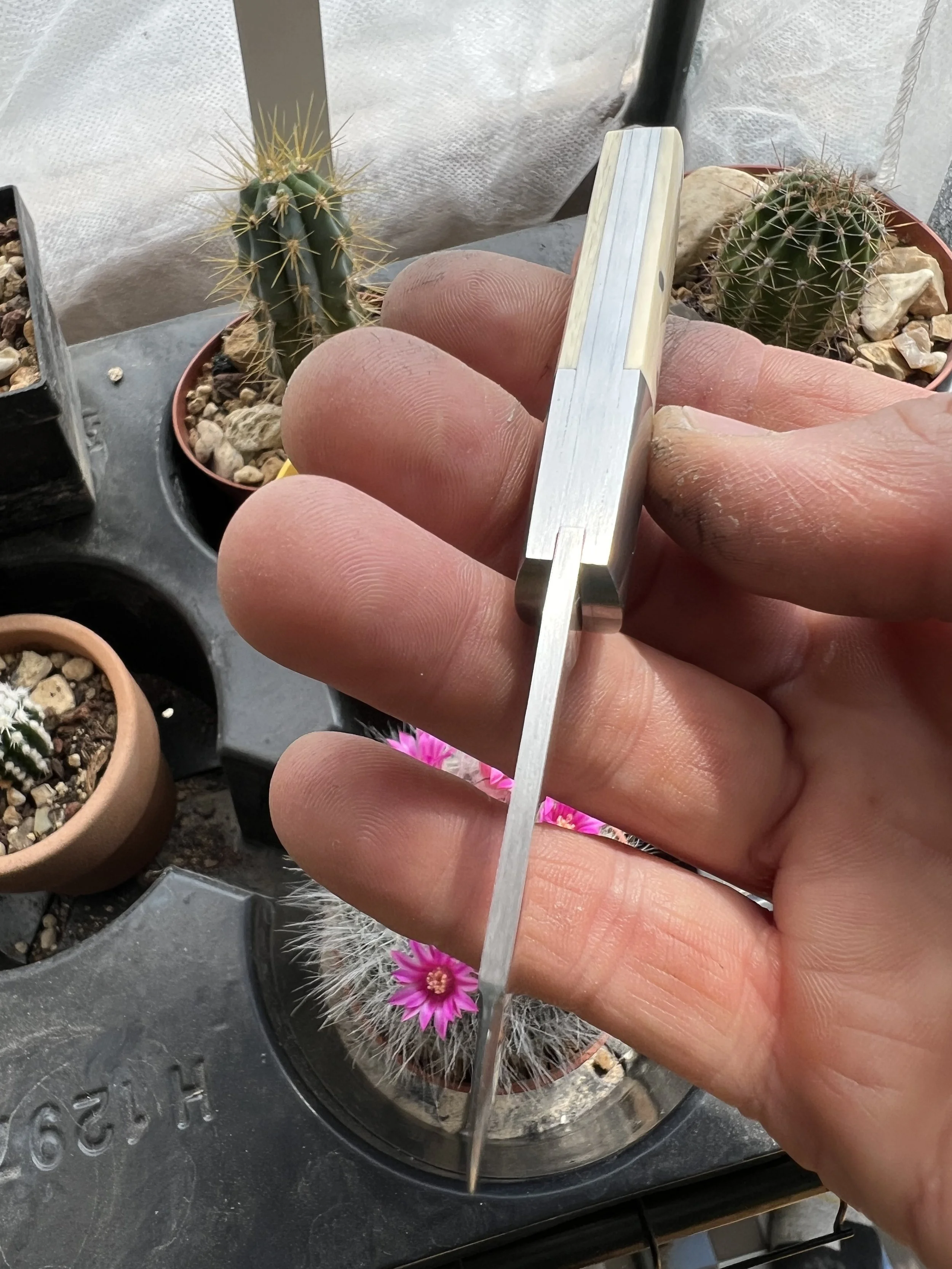 Image 5 of 9
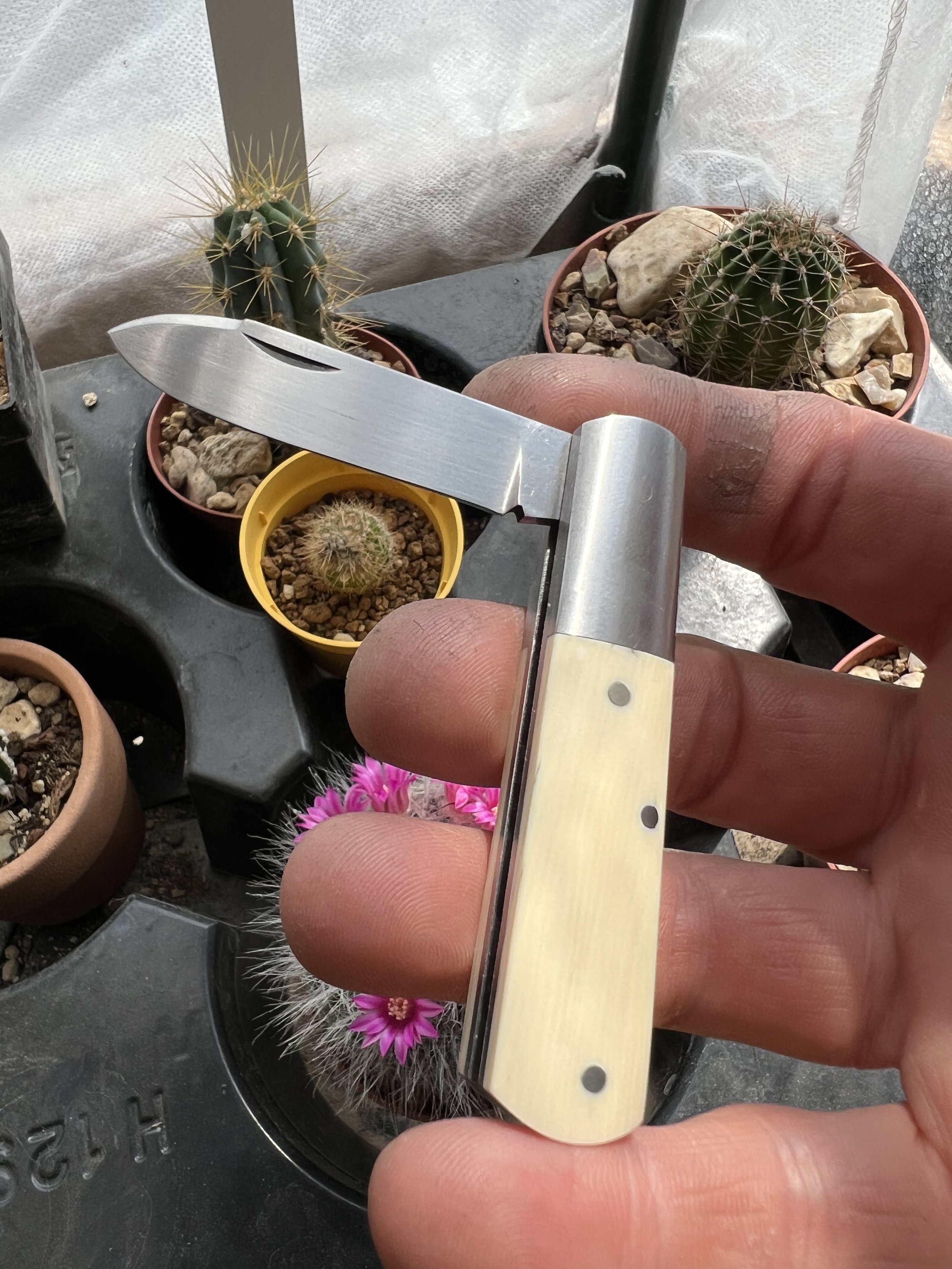 Image 6 of 9
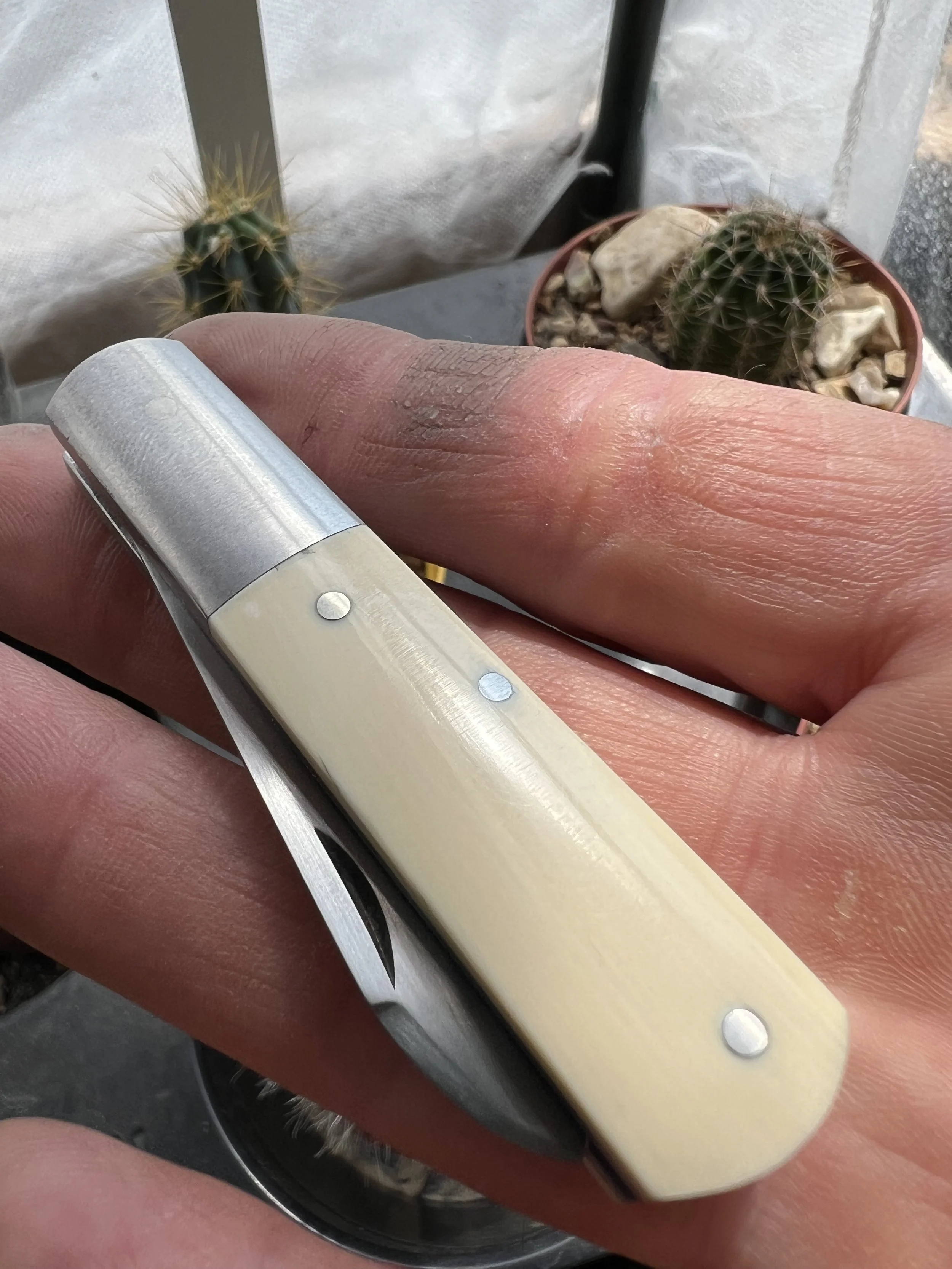 Image 7 of 9
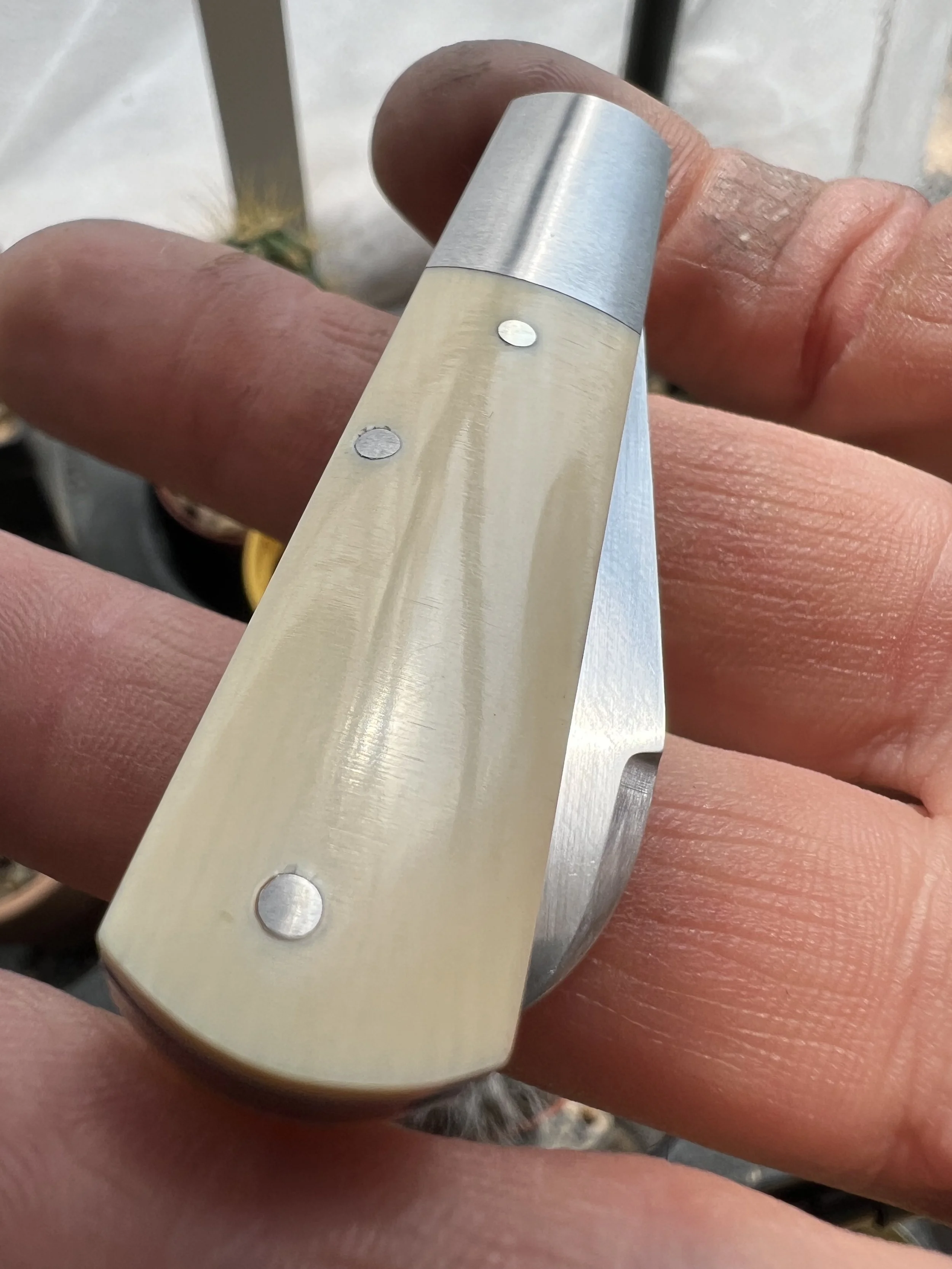 Image 8 of 9
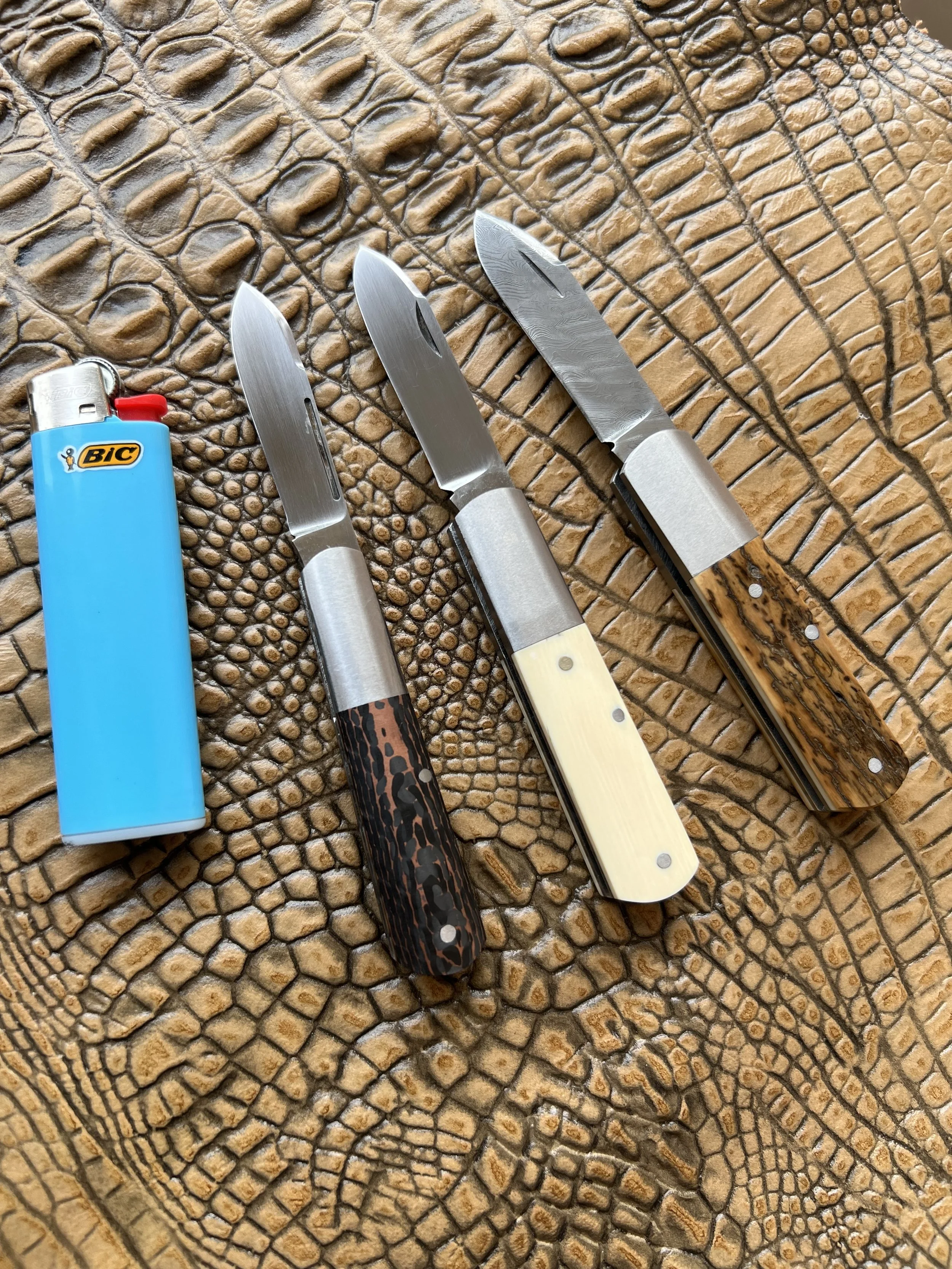 Image 9 of 9